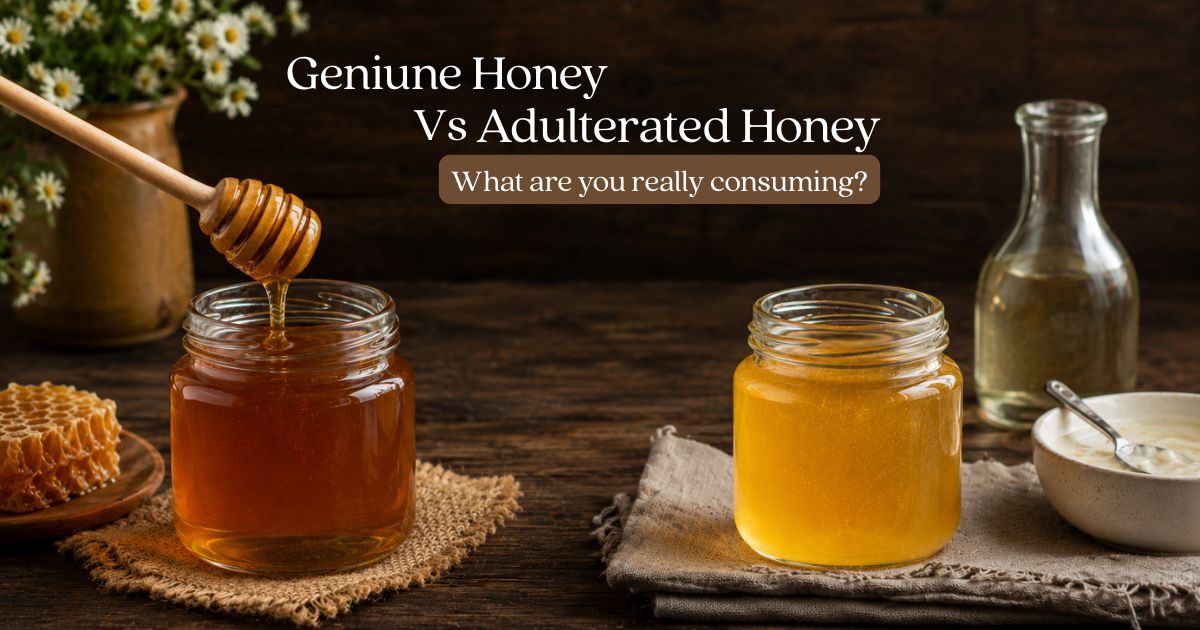
Have you ever opened two jars of honey and thought: “Wait… why is this one darker?” One jar glows like liquid gold. Another looks deep amber. Sometimes the same honey brand changes shades from one batch to another. And naturally, people start wondering: “Is something wrong with it?”
Actually, that honey color change might be the best sign of all — because real honey behaves exactly like nature does: wild, seasonal, unpredictable, and beautifully imperfect.
Why Raw Honey Color Varies: Nature Doesn’t Do “Same Same”
Think about it. No two sunsets ever look identical. No two mangoes taste the same. Even leaves on the same tree grow differently. So why should real honey look perfectly identical forever?
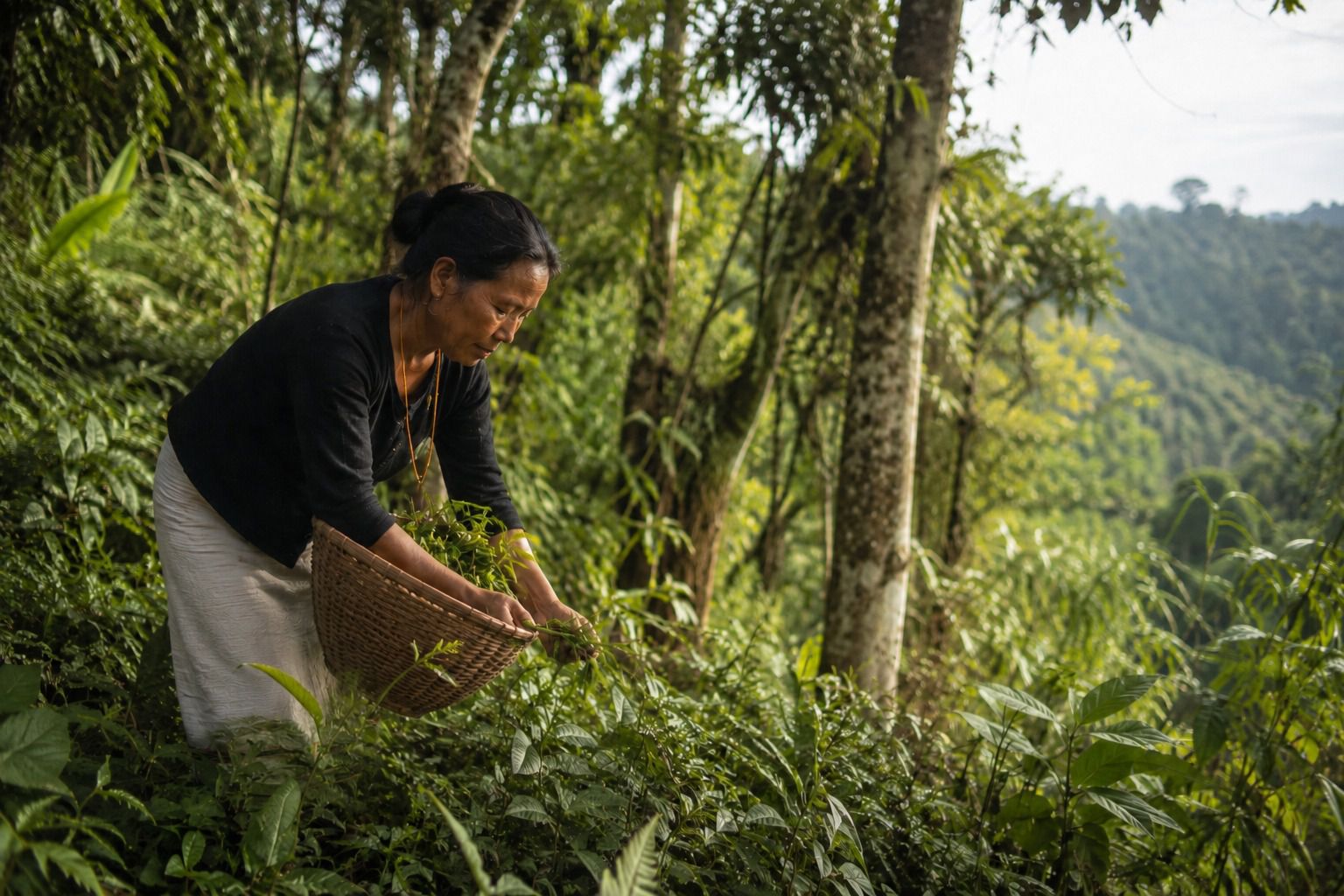
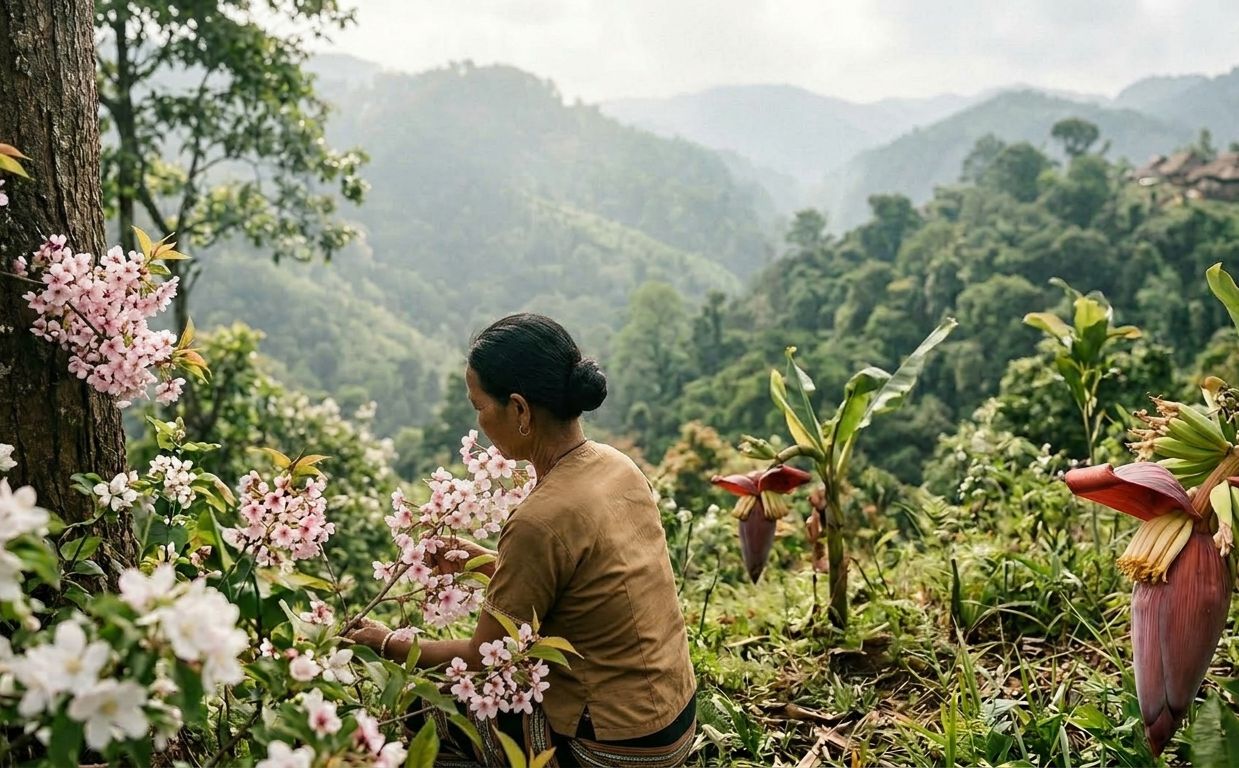
Bees don’t work inside factories. They travel through forests, hills, wildflowers, trees, and seasonal blooms collecting nectar from whatever nature offers at that moment. And nature changes constantly.
Some seasons are rich with floral nectar. Some are heavy with forest blooms. Rainfall changes things. Temperature changes things. Even the flowering cycle of plants shifts every year.
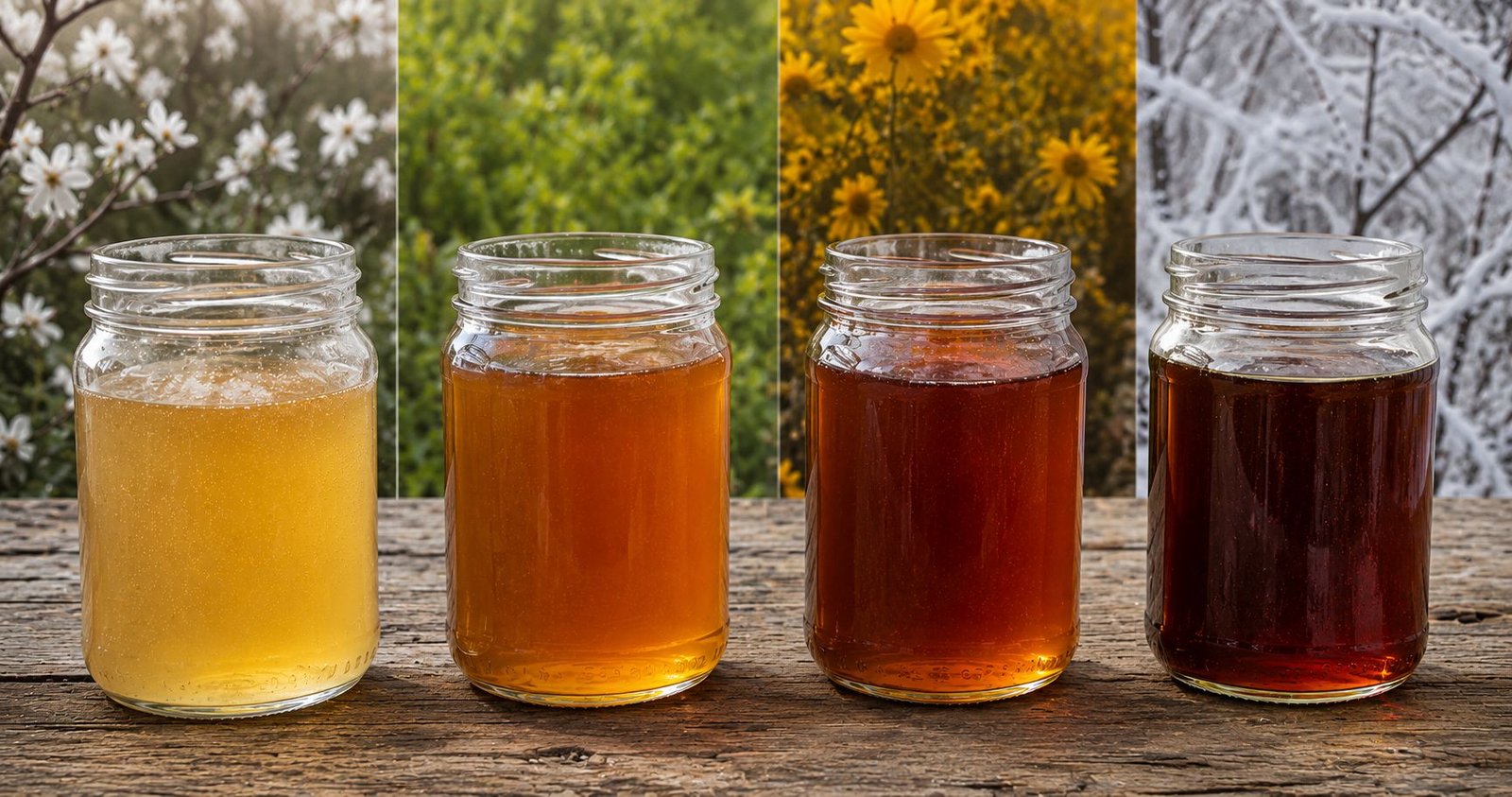
Which means the nectar changes and the honey color changes too. That’s why one harvest may look lighter and another darker, even from the same region.
Dark Honey vs Light Honey: Every Color Has Its Own
Personality
Honey is a little like music. Some are soft and light. Some are deep and bold. Some carry floral sweetness. Others taste earthy, smoky, or rich.
What Light-Colored Honey Means
Lighter honey often comes from delicate blossoms and carries a mild, gentle flavor. It’s typically harvested from spring or early summer blooms when nectar is abundant and fresh.
What Dark-Colored Honey Means
Darker honey usually has a stronger taste and richer aroma. Neither one is “better” they’re simply different stories written by different flowers. Imagine if every fruit in the world tasted the same forever. Natural honey keeps surprising you.
The Truth About “Perfect” Honey – and Why Pure Honey Looks Different Every Time
Here’s something interesting: many commercial honeys are processed heavily so every bottle looks the same on the shelf. Same color. Same texture. Same appearance every single time.
But real, raw honey doesn’t like being controlled that much.
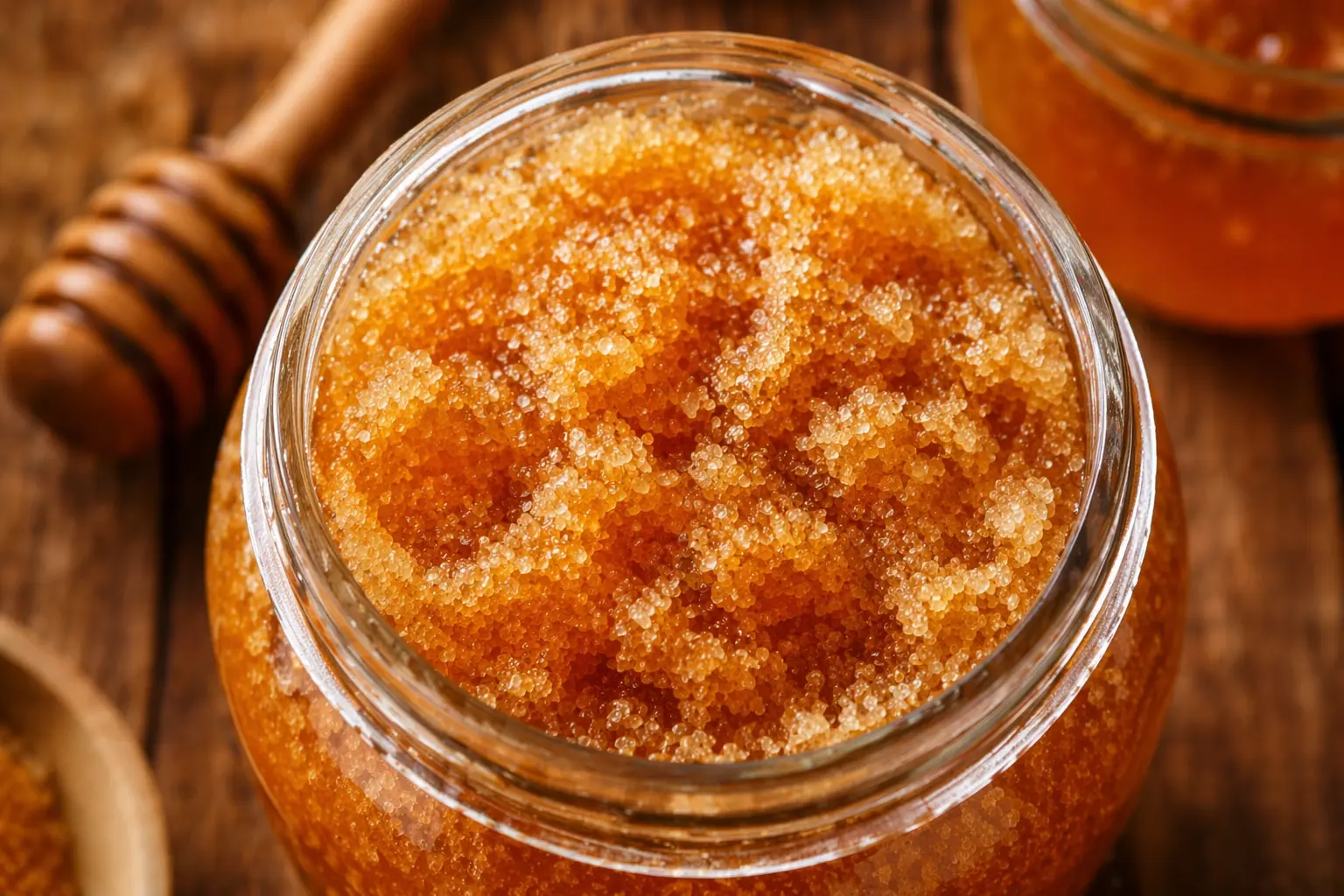
It may darken slightly. It may crystallize. It may thicken during winter. It may look different from your previous jar. That’s not honey “going bad.” That’s honey staying real.
Nature leaves clues behind and honey color is one of them.
How Bees Make Honey: Why Every Batch Is a Snapshot of Nature
Bees do not manufacture honey from a recipe book. They’re creating it from living forests.
One month, they visit wildflowers. Another month, they collect nectar from tree blossoms. Another season brings completely different plants into bloom. So every batch becomes a snapshot of a particular moment in nature a season, a forest, a climate, a flowering cycle – captured inside a jar.
That’s actually kind of magical when you think about it.
So Next Time Your Honey Looks Different, Here’s What It Really Means
Don’t panic. Pause for a second and appreciate what you’re holding.
That slight color change in honey? It means your honey wasn’t forced to look artificial. It means the bees followed nature. It means the harvest was real.
Because nature never repeats itself perfectly and authentic honey proudly carries that truth in every drop.