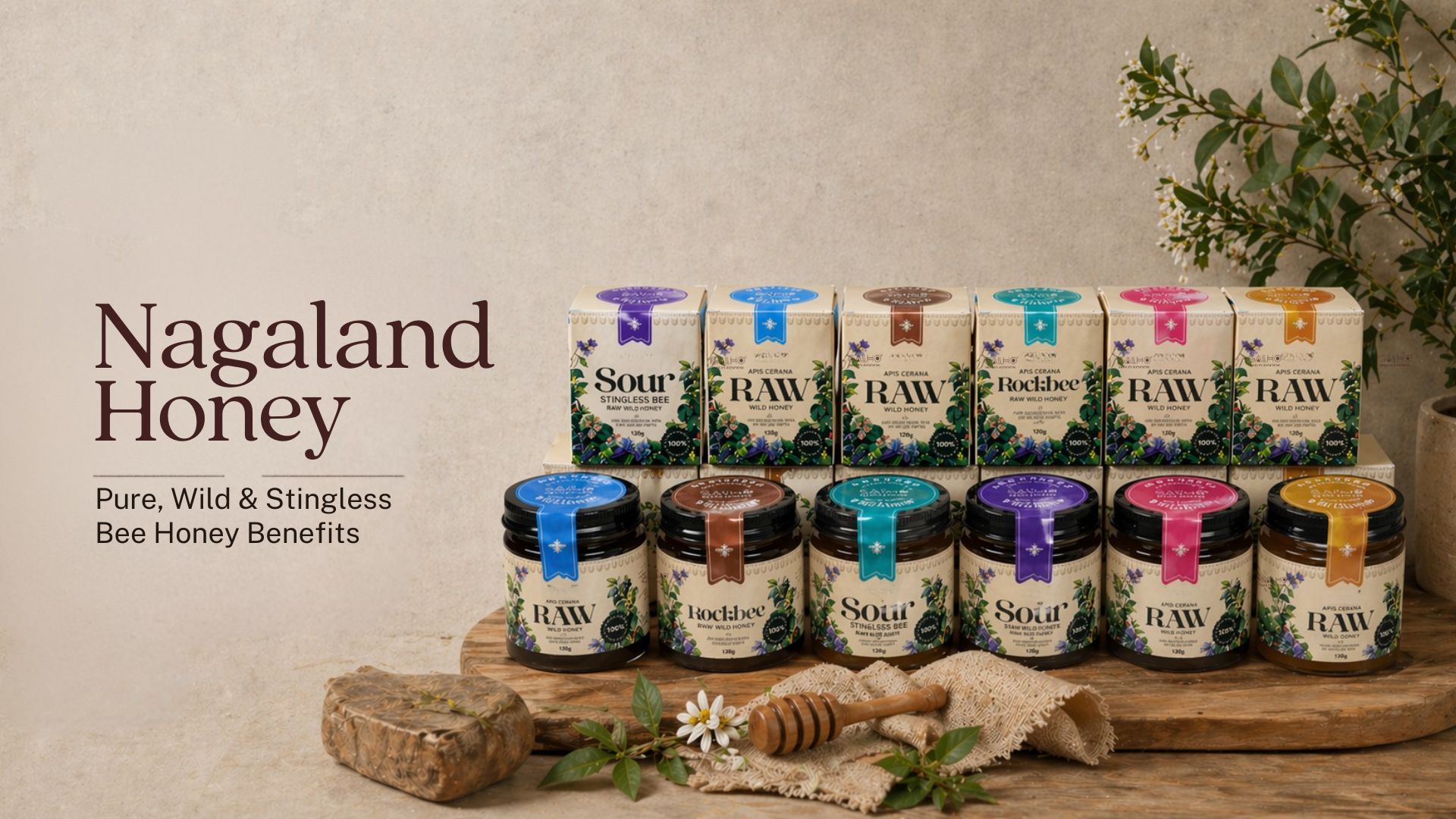
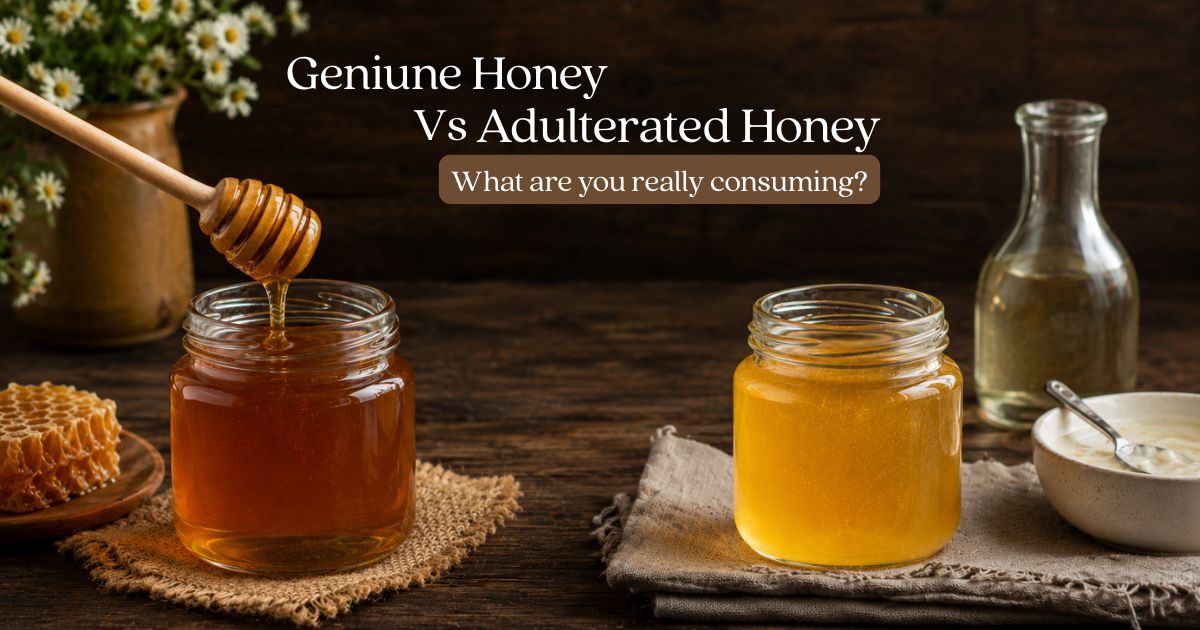
Honey may look simple in a jar — but not every product labeled as “honey” is truly natural.
In today’s market, many commercial honey products are heavily processed or blended with sugar syrups or artificial sweeteners. While they may appear smooth and uniform, they often lose much of the natural character that genuine honey is known for.
At GALHO Wild Foods, we believe honey should stay as close to nature as possible — authentic, minimally processed, and true to its origin.
What Is Genuine Honey?
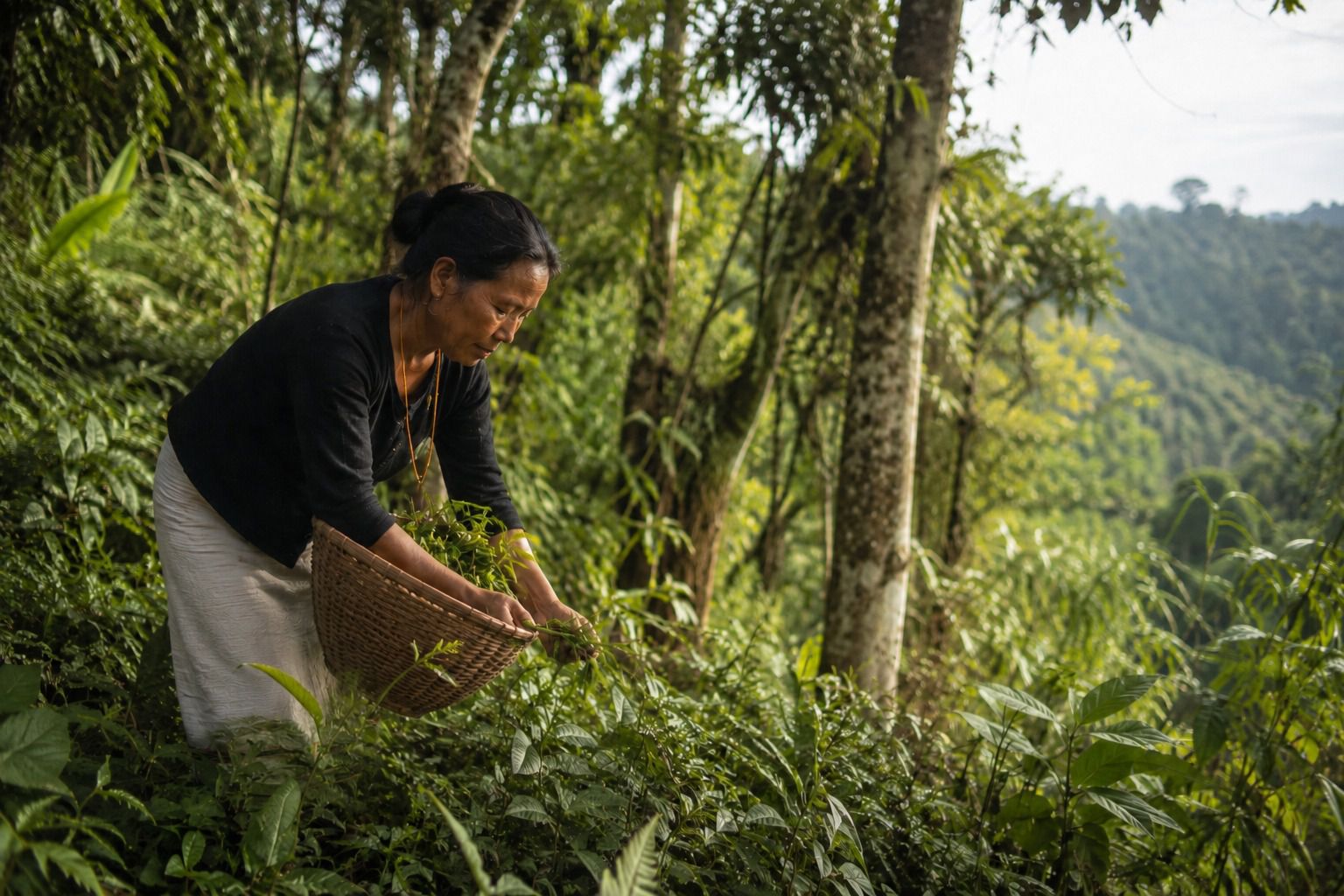
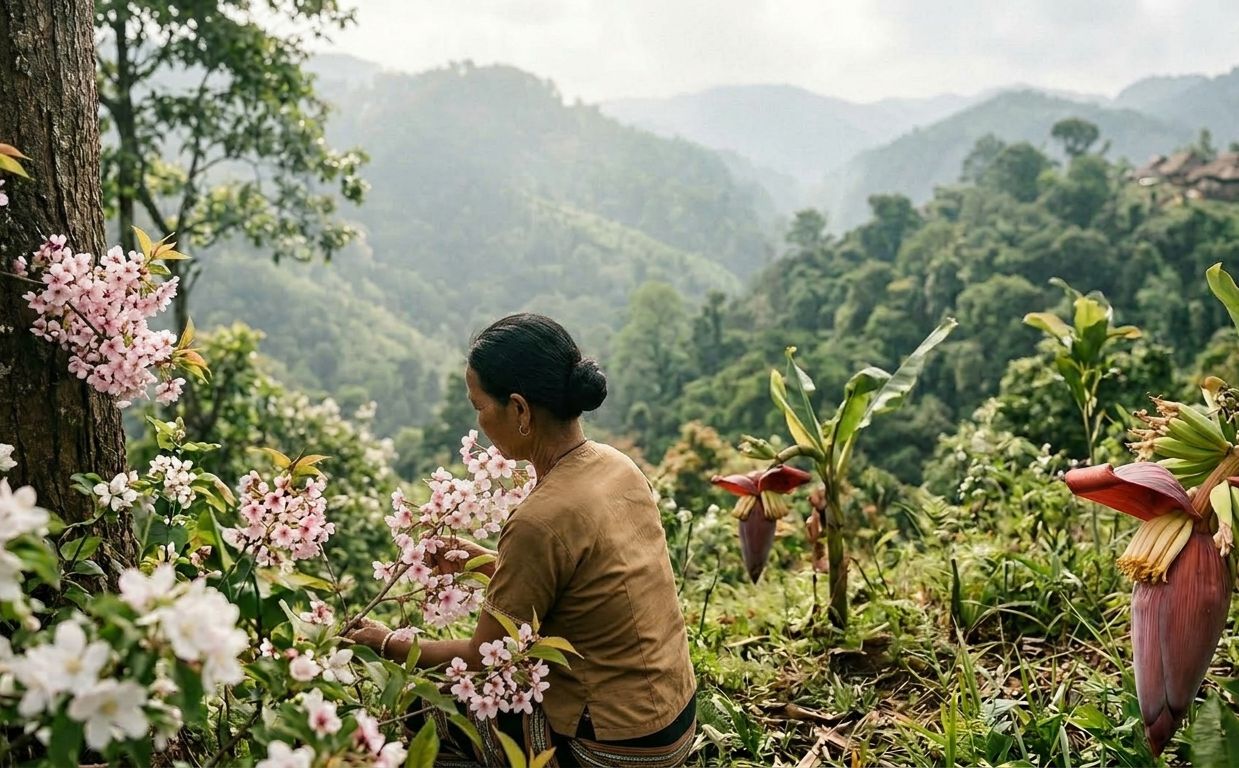
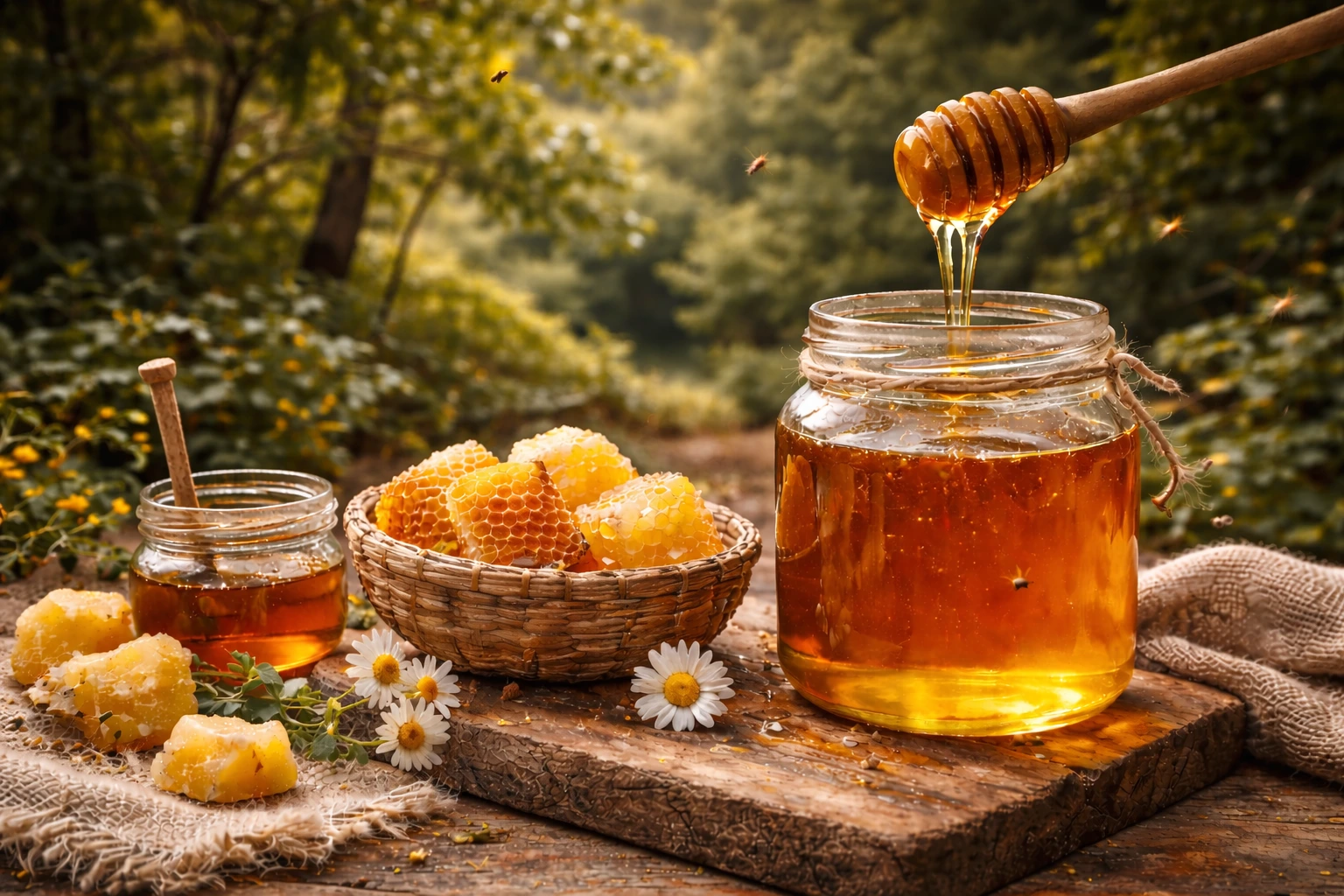
Genuine honey is naturally produced by bees using flower nectar collected from forests, wildflowers, and natural ecosystems.
Because it comes directly from nature, real honey contains naturally occurring qualities that cannot be artificially recreated.
Natural Enzymes
Raw honey naturally contains enzymes that contribute to its unique character and composition.
Distinct Floral Aroma
The aroma of authentic honey changes depending on the flowers and forests visited by bees.
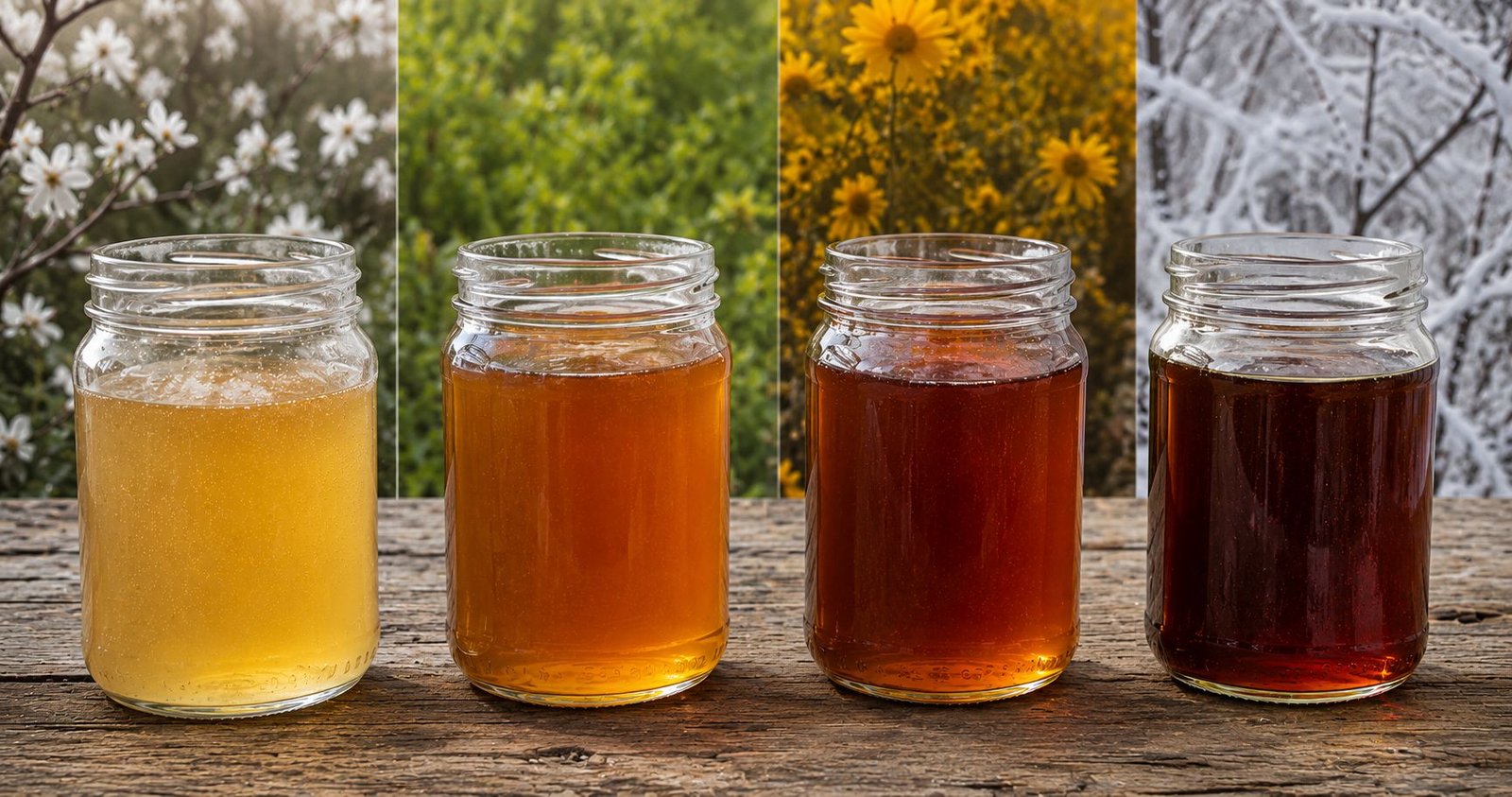
Seasonal Variations
No two harvests of genuine honey are exactly the same. Changes in weather, flowering seasons, and geography naturally affect flavor, aroma, and color.
These variations are often signs of authenticity.
What Is Adulterated Honey?
Adulterated honey is honey that has been diluted, blended, or excessively processed to create a more uniform product.
In many cases, commercial honey may contain:
- Sugar syrups
- Artificial sweeteners
- Excessive heat processing
These methods are often used to:
- Increase shelf stability
- Reduce production costs
- Standardize taste and appearance
The result may look appealing, but it often lacks the richness and natural complexity of genuine honey.
Why Real Honey Crystallizes
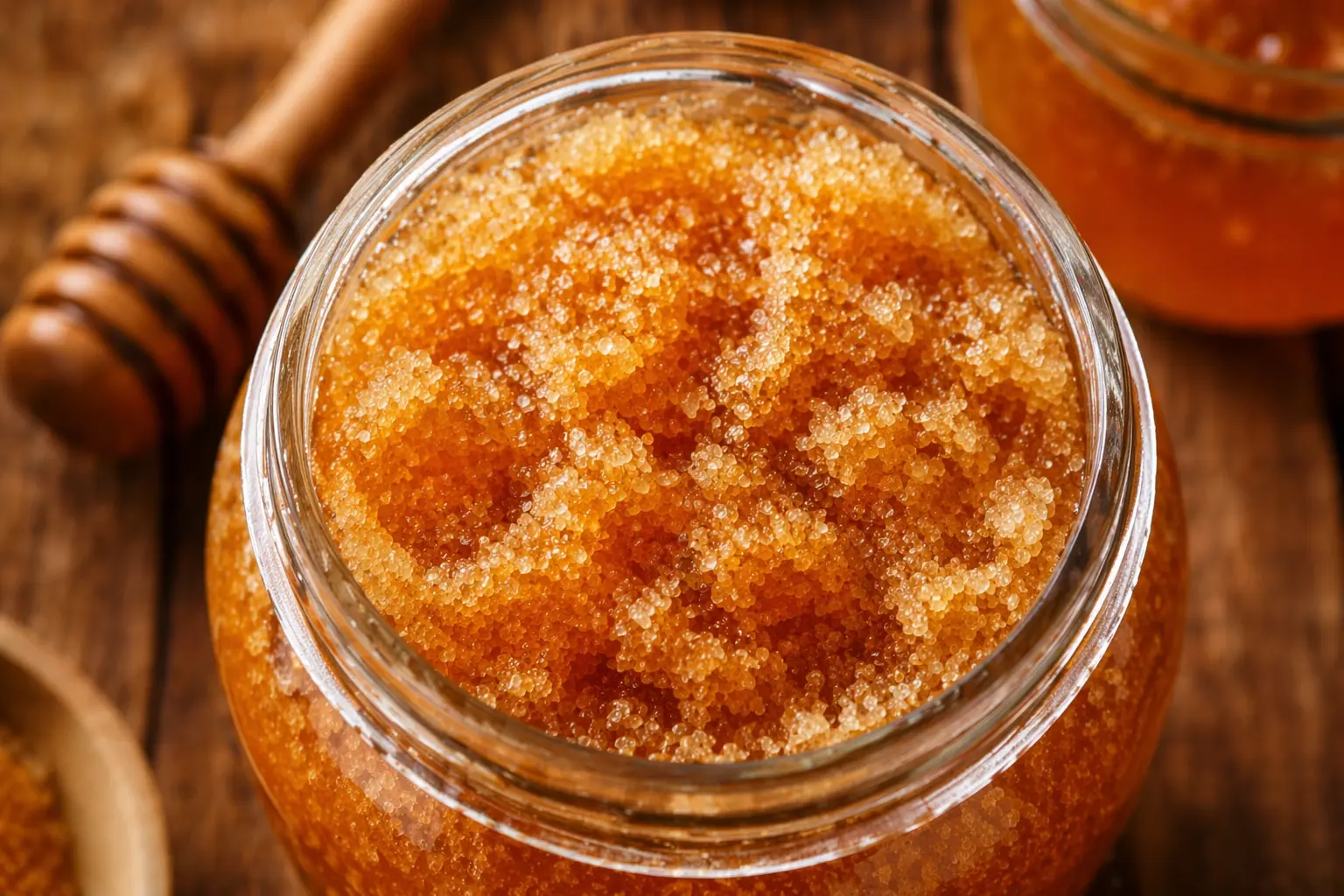
One common misconception is that crystallized honey is “spoiled” or fake. In reality, crystallization is a natural process in pure and minimally processed honey.
Crystallization Is a Sign of Natural Honey
Raw honey may naturally crystallize over time depending on:
- Temperature
- Floral source
- Natural glucose content
This is often a strong indicator that the honey has not been excessively processed.
Genuine Honey vs Processed Honey: Key Differences
| Genuine Honey | Adulterated / Processed Honey |
|---|---|
| Naturally sourced | Often blended with syrups |
| Seasonal variations | Uniform appearance |
| Distinct floral aroma | Artificially standardized |
| May crystallize naturally | Usually remains overly smooth |
| Minimally processed | Heavily filtered or heated |
| Complex natural flavor | Generic sweetness |
How to Identify Pure Honey
While laboratory testing is the most reliable way to verify honey purity, genuine honey often shows natural characteristics such as:
- Seasonal variation in taste and color
- Natural floral aroma
- Gradual crystallization over time
- Less uniform texture compared to heavily processed honey
Authentic honey reflects the environment and flowers from which it was sourced.
Why Choosing Genuine Honey Matters
Choosing pure honey is not only about taste — it is also about transparency, sourcing, and quality. When honey is heavily altered for mass production, consumers may unknowingly consume more added sugars than natural nutrition.
Choosing genuine honey means choosing:
- Real sourcing
- Minimal processing
- Natural flavor and aroma
- Authentic wild harvests
- Honest food products
The GALHO Wild Foods Approach
Genuine honey is more than sweetness.
It reflects the flowers, forests, climate, and seasons behind every harvest.
That natural character is something mass-produced honey often loses.
At GALHO Wild Foods, we believe honey should remain as close to nature as possible — minimally processed, authentic, and true to its origin.